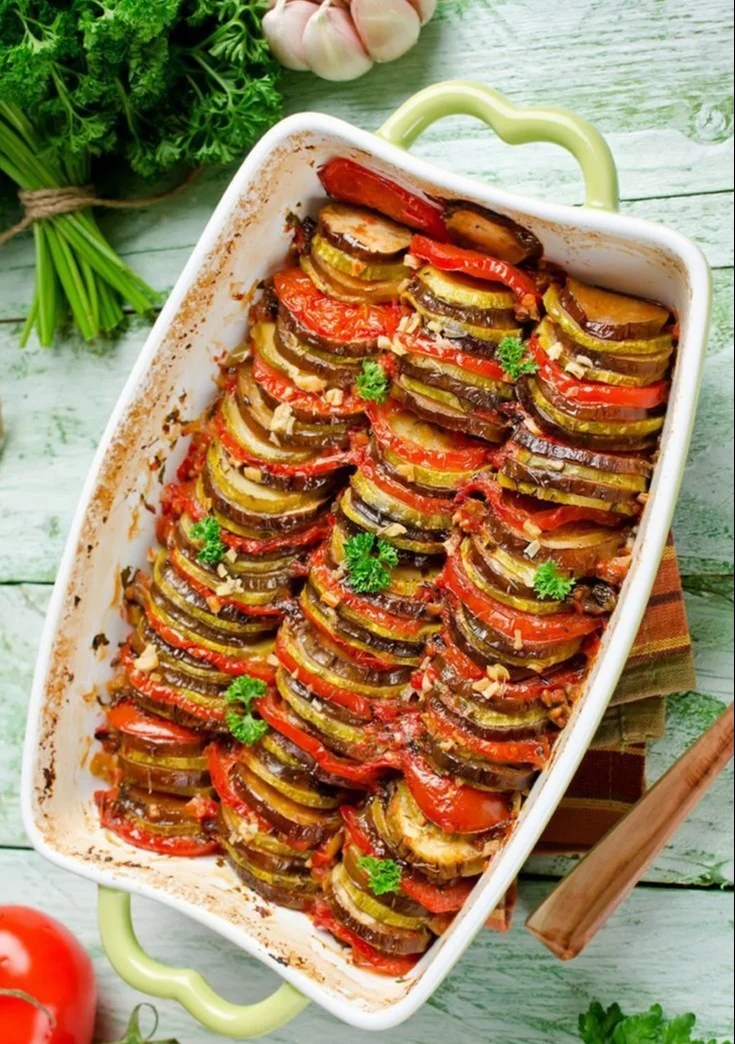
Discover the Heartwarming Classic French Provencal Ratatouille
Nothing quite captures the essence of summer in Provence like a steaming bowl of classic French Provencal ratatouille. This vibrant vegetable medley is not just a dish; it’s a celebration of the season’s bounty, an ode to the sun-drenched fields and the bustling markets of the South of France. But beyond its delicious flavors, ratatouille holds a deeper emotional connection—a memory of family gatherings, laughter shared over good food, and the unchanging rhythm of life.
Whether you’re seeking a way to savor your vegetables, impress your dinner guests, or simply find comfort in a delicious home-cooked meal, this recipe is your ticket to a culinary journey. Join me as we explore the magic of classic French Provencal ratatouille, complete with insider tips and variations that will keep you coming back for more.
Why Ratatouille is a Culinary Classic
Let’s take a moment to appreciate why classic French Provencal ratatouille is so beloved. Originating from Nice, this dish embodies the spirit of the region—fresh, wholesome ingredients harmoniously blended together. It’s a plant-based dish that effortlessly celebrates the freshest produce, making it not just a meal but a vibrant feast for the senses.
Ratatouille is more than just a recipe; it’s a canvas for creativity. You can tailor the flavors to suit your palate, adding or substituting ingredients as you wish. It’s a simple, nourishing dish, perfect for both casual family dinners and elegant gatherings.
Key Benefits of Ratatouille
Embracing this classic dish has numerous advantages:
- Nutrient-Rich: Packed with vitamins and minerals from a variety of vegetables, ratatouille supports a healthy lifestyle.
- Versatile: It can be served warm, at room temperature, or even cold. Pair it with crusty bread, serve it over pasta, or use it as a side dish for grilled meats.
- Make-Ahead Friendly: Ratatouille tastes even better the next day, making it an excellent choice for meal prep.
Gathering Your Ingredients
To make an authentic ratatouille, you’ll need a selection of fresh ingredients. Here’s what you should gather:
- 2 medium eggplants, diced
- 2 medium zucchinis, sliced
- 1 bell pepper, chopped
- 1 onion, chopped
- 2 cloves garlic, minced
- 4 tomatoes, diced
- 1/4 cup olive oil
- Salt and pepper to taste
- Fresh herbs (such as thyme, basil, or oregano)
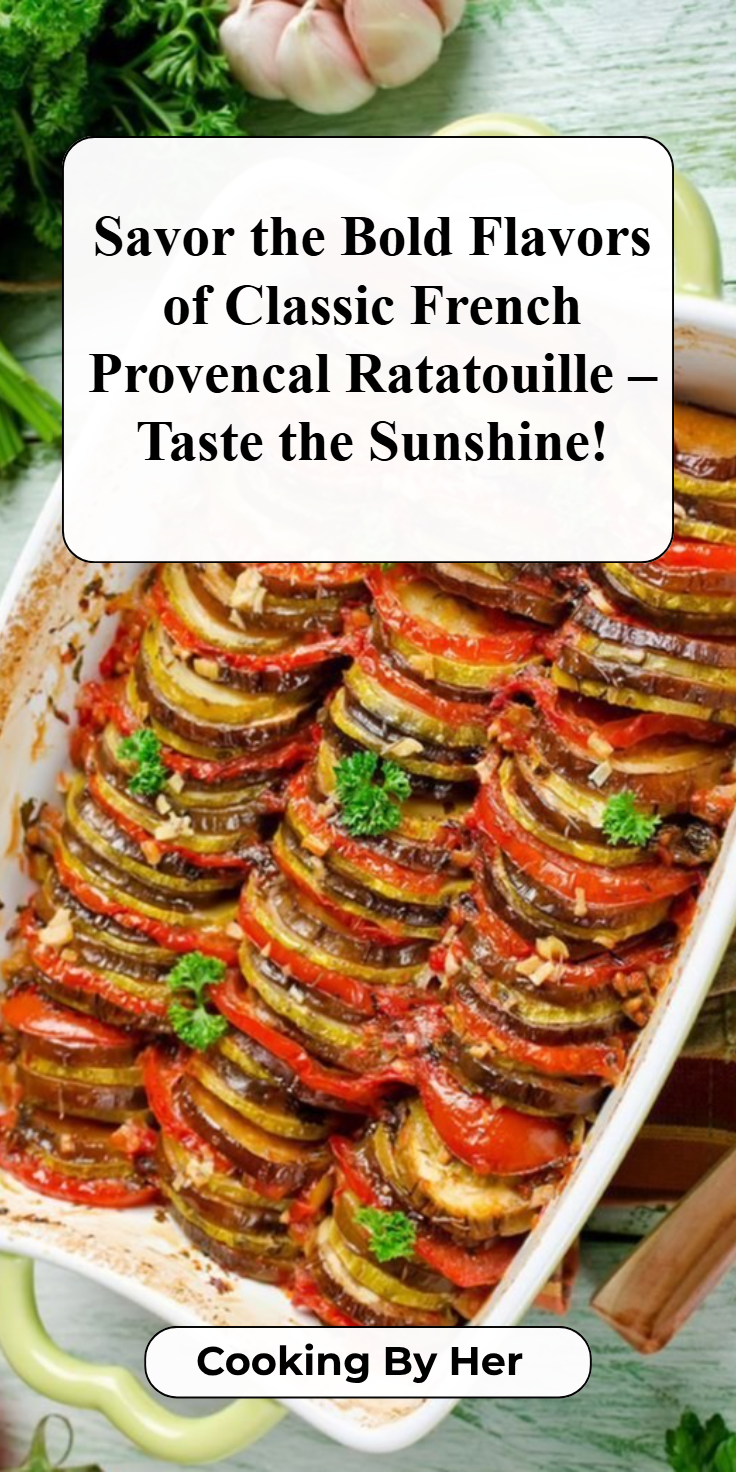
Mastering the Art: A Step-by-Step Guide
Now that you have your ingredients ready, let’s dive into the preparation. Follow these simple steps to create your very own classic French Provencal ratatouille:
- Prepare the Vegetables: Start by prepping all your vegetables. Wash them thoroughly and cut them into uniform sizes—this ensures even cooking.
- Sauté the Base: Heat the olive oil in a large pan over medium heat. Add the chopped onion and minced garlic, sautéing until fragrant and translucent. This forms a flavorful base for your ratatouille.
- Layer the Flavors: Add the diced eggplant to the pan. Cook for about 5 minutes until it starts to soften. Follow with the bell pepper and zucchini. Continue to sauté for another 5-7 minutes.
- Add the Tomatoes: Stir in the diced tomatoes and season everything with salt and pepper. The tomatoes add a lovely sweetness and juiciness to the dish.
- Simmer and Add Herbs: Reduce the heat to low. Allow the mixture to simmer for about 30 minutes, stirring occasionally. Add your choice of fresh herbs in the last few minutes of cooking to maintain their flavor.
- Taste and Adjust: Before serving, taste your ratatouille. You might want to adjust the seasoning or add a bit more olive oil for a richer flavor.
- Serve: Whether you serve it hot, warm, or cold, classic French Provencal ratatouille is best enjoyed with your favorite side dishes or simply with crusty bread.
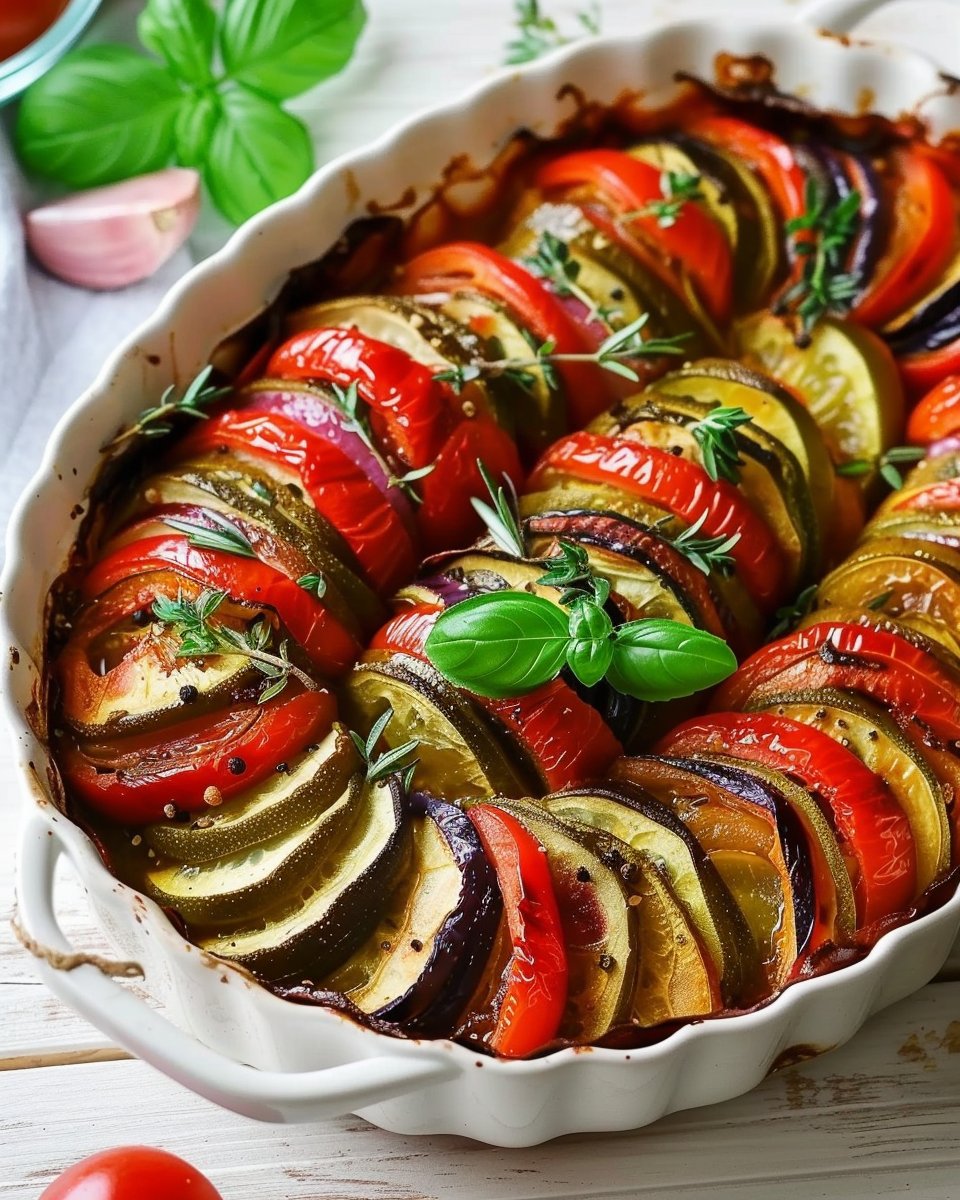
Expert Tips for Perfect Ratatouille
- Choose Fresh Produce: The quality of your vegetables will significantly impact the flavor of your ratatouille. Visit your local farmer’s market or grocery store for the freshest options.
- Don’t Rush the Cooking: Allow the veggies to caramelize for deeper flavor.
- Batch Cook: Make a larger batch to store for quick meals later in the week—a perfect ready-to-eat option when life gets busy.
Exploring Variations and Alternatives
While the traditional ratatouille recipe is a timeless favorite, you don’t have to stick rigidly to it. Experimenting with different ingredients can add exciting new dimensions:
- Spicy Kick: Add some chopped chili peppers for a spicy version.
- Grains Extra: Toss in cooked quinoa or farro for a heartier contribution.
- Cheesy Touch: Top with grated Parmesan or crumbled feta for a delightful twist.
Common Pitfalls to Avoid
Creating a perfect ratatouille is as much about the process as it is about the ingredients. Here are some mistakes to steer clear of:
- Overcrowding the Pan: If the pan is too full, the vegetables will steam instead of sautéing, leading to a mushy texture. Cook in batches if needed.
- Skip the Salt: Seasoning your veggies as you go helps to build flavor complexities.
- Rushing Cooking Times: Patience is key. Let the ratatouille simmer away to develop its rich, luscious flavors.
Storing Your Ratatouille
Leftover ratatouille can be stored properly and enjoyed later. Allow it to cool completely, then transfer it to an airtight container. It will keep in the refrigerator for up to 4-5 days. To reheat, simply warm it on the stovetop or in the microwave. The flavors often enhance with time, making it even more delicious the next day.
Frequently Asked Questions
What is classic French Provencal ratatouille made of?
Classic French Provencal ratatouille is made with a mix of vegetables like eggplant, zucchini, bell peppers, onions, garlic, and tomatoes, seasoned with olive oil and herbs.
Can I make ratatouille ahead of time?
Yes! Ratatouille is a great make-ahead dish. It can be stored in the refrigerator for up to 5 days.
Is ratatouille healthy?
Absolutely! Ratatouille is rich in vitamins and minerals, as it’s packed with various vegetables, making it a healthy option.
Can I use frozen vegetables?
While fresh vegetables yield the best flavor, you can use frozen ones in a pinch; just ensure they’re thawed and drained before cooking.
How do I add more protein to my ratatouille?
To add protein, consider including beans, lentils, or even grilled chicken or fish when serving.
What else can I serve with ratatouille?
Ratatouille pairs beautifully with crusty bread, pasta, couscous, or can be served alongside grilled meats for a heartier meal.
In Conclusion
Classic French Provencal ratatouille transcends mere sustenance; it’s an experience—one filled with tradition, flavor, and love. This dish invites you to connect with seasonal ingredients and celebrate the art of cooking. So, gather your vegetables, embrace the process, and enjoy every bite! With each serving, you’ll feel the warmth of family gatherings and the beauty of simple, delicious food. Bon appétit!
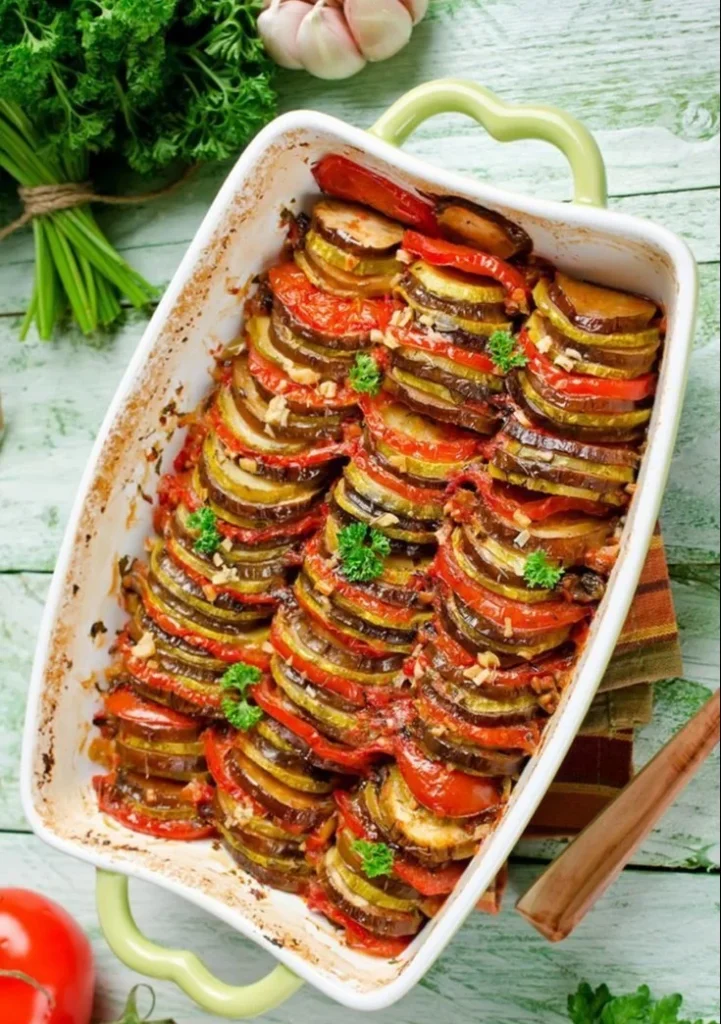
Classic French Provencal Ratatouille
Ingredients
Method
- Wash and chop all vegetables into uniform sizes.
- Heat olive oil in a large pan over medium heat.
- Add chopped onion and minced garlic; sauté until fragrant and translucent.
- Add diced eggplant, cooking for about 5 minutes until it softens.
- Add bell pepper and zucchini, sautéing for another 5-7 minutes.
- Stir in diced tomatoes and season with salt and pepper.
- Reduce heat to low and let it simmer for about 30 minutes, stirring occasionally.
- In the last few minutes, add fresh herbs.
- Taste and adjust seasoning before serving.
- Serve hot, warm, or cold, preferably with crusty bread or as a side dish.